

Are you standing in front of those 88 keys wondering where to begin? Learning the piano is one of the most rewarding journeys you can take, but the first few steps are often the most daunting.
Whether you’re a complete novice or returning to the instrument after years away, this guide will walk you through the essentials—from navigating the keyboard to understanding the “language” of music.
Are you ready? Ok, Lets to start learning the piano!
1. Navigating the Keys: Finding Your Map
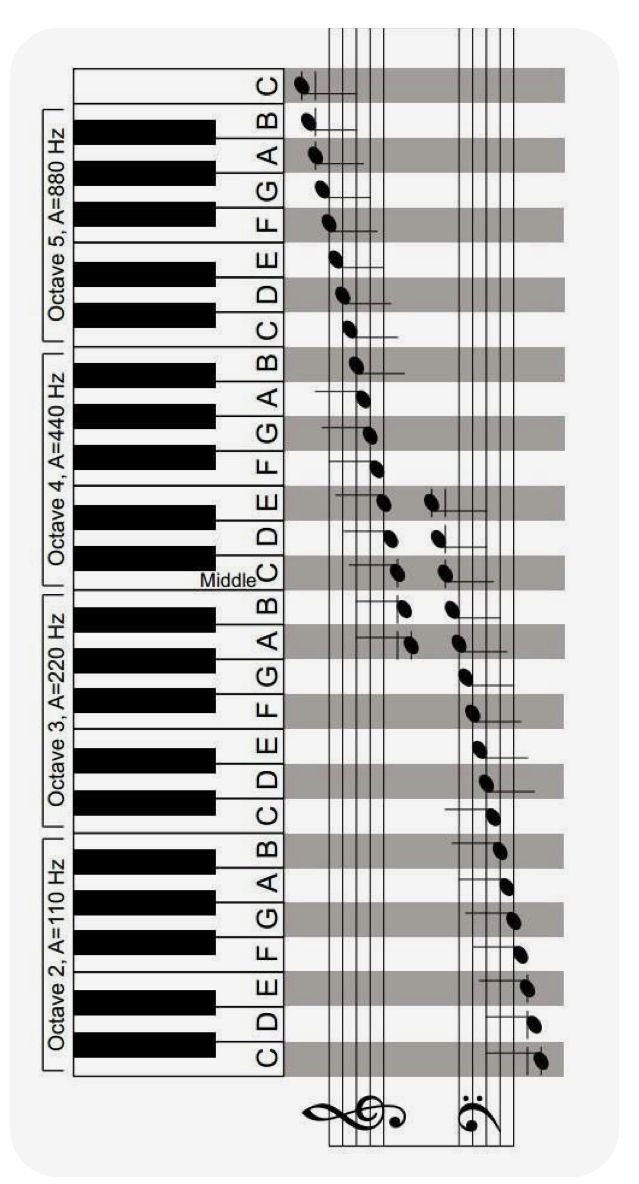
Before you play a single note, you need to understand the layout. The piano might look like a sea of black and white, but it follows a very simple, repeating pattern.
- The Pattern of Two and Three: Look at the black keys. You’ll notice they come in groups of two and groups of three. This is your primary navigation tool.
- Finding Middle C: Locate any group of two black keys. The white key directly to the left of them is C. The one in the very center of your piano is “Middle C.”
- The Musical Alphabet: The white keys follow the alphabet from A to G, then reset (A-B-C-D-E-F-G-A…).
2. Setting Your Foundation (The “Vince’s Music” Approach)
As I’ve emphasised in my previous guides, the secret to success isn’t just “natural talent”—it’s consistency, intent and being patient with your progress.
To truly start your journey, you must establish a routine. Even 15 minutes a day is significantly more effective than a three-hour marathon once a week. By setting small, achievable goals—like mastering one scale or a four-bar melody—you build the muscle memory required to progress without feeling overwhelmed.
3. Sight Reading: Cracking the Code
Sight reading is simply learning to read a new language. At first, it looks like dots on a page, but here is the simplest way to start:
- The Staff: Music is written on five lines called a staff.
- The Treble Clef: Usually played with the right hand. Use the acronym: Every Good Boy Does Fine for the lines.
- The Spaces: The spaces between the lines for the right hand conveniently spell the word :
- F-A-C-E
Pro Tip: If you want to dive deeper into why music works the way it does, I highly recommend picking up “The AB Guide to Music Theory” by Eric Taylor. It is a fantastic reference book that explains everything from basic notes to complex harmonies in a way that is easy to digest.

4. Is the Piano Right for You? (The Importance of Time)
One of the most important pieces of advice I can give any new student is this: Give it time.
The piano is a physical and mental discipline. In the first few weeks, your fingers might feel clumsy, and reading music might feel slow. This is completely normal! Before you decide if the instrument is “for you,” commit to a trial period of at least three to six months.
Music is a relationship. You need to give yourself space to move past the “learning curve” and into the “playing for joy” phase. Don’t rush the process—the piano will still be there tomorrow.
5. Next Steps: Self-Taught or Tutor?
While there are countless apps and videos available today, nothing replaces the feedback of a professional tutor who can spot posture issues or technique errors before they become hard-to-break habits, or just simply motivate you to continue.
Ready to take the next step?
If you’re based in Nottinghamshire or Derbyshire and want a personalised approach to your piano journey, I’m here to help. Whether you want to learn for fun or aim for exams, we can find the right path for you. https://www.vincesmusic.co.uk/piano-lessons/
Contact Vince on
